เน้น:
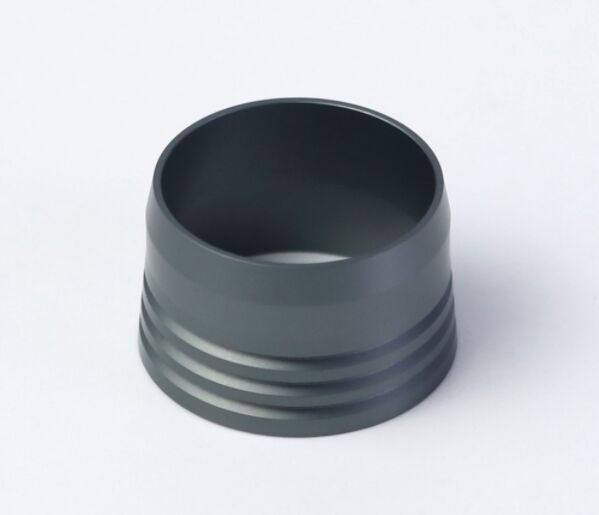
อะไหล่อะลูมิเนียม anodized สีดําตามสั่ง
, สารประกอบอลูมิเนียม CNC
, อะไหล่อลูมิเนียมการเสร็จละเอียด
คู่มือครบถ้วนสําหรับการแปรรูปอะลูมิเนียมแอนอดิเซียมดํา: จากส่วนว่างไปยังส่วนเสร็จ
อะไหล่อลูมิเนียมแอนโดไซด์สีดํามีอยู่ทุกที่ในอุปกรณ์อิเล็กทรอนิกส์ผู้บริโภคระดับสูง, องค์ประกอบอากาศ, และการปรับปรุงรถยนต์เนื่องจากลักษณะที่เนียนและความทนทานที่เพิ่มขึ้นการแปรรูปชิ้นส่วนเหล่านี้อย่างสําเร็จ ไม่ว่าจะเป็นก่อนหรือหลังการ anodizing ต้องการกลยุทธ์เฉพาะเพื่อรักษาความแม่นยําของมิติและความสมบูรณ์แบบของ, การเคลือบตกแต่ง
จากมุมมองการผลิตอะลูมิเนียมแอนโดดสีดํามีโจทย์สองประการ: ความอ่อนโยน, ลักษณะยางของเหล็กผสมอะลูมิเนียมพื้นฐานและความแข็งแรงและความเปราะบางที่สูงสุดของชั้น anodized ระหว่างการทําปลายงานหลังการประมวลผลคู่มือนี้นําเสนอกระบวนการทํางานที่ใช้ได้ และผ่านการทดสอบในห้างสรรพการ เพื่อผลิตส่วนประกอบแบบแอนโดไซด์สีดําความละเอียดสูง โดยใช้ข้อมูลการผลิตจริง
กระบวนการผลิตขั้นตอนต่อขั้นตอนสําหรับอะไหล่อะลูมิเนียม anodized สีดํา
การเลือกเมื่อการ anodize ก่อนหรือหลังการแปรรูปแม่นยํา
1. การคัดเลือกวัสดุและการแปรรูปแบบ Anodizing (Roughing)
สําหรับชิ้นส่วนที่พื้นผิว anodized ไม่มีภาระหรือการปรับตัวอย่างแม่นยํา, การแปรรูปวัสดุหลากหลายก่อนแอนโดดเป็นมาตรฐาน
H3: ปริมาตรการตั้งค่าและการแปรรูปที่ใช้จริงสําหรับอลูมิเนียม (ตัวอย่างเช่น 6061-T6)
เครื่องมือ:เครื่องบดคาร์บิดปลายที่คมและเคลือบด้วยฟลอยต์ (ฟลอยต์ 3 สําหรับการเสร็จ) เพื่อป้องกันการเคลือบวัสดุ
น้ํายาเย็น:ใช้น้ําเย็นจํานวนมากในการถอนชิปและป้องกันการสร้างขอบที่นําไปสู่การเสร็จสิ้นพื้นผิวที่ไม่ดี
ปริมาตรของโรงงานจริง (สําหรับการแปรรูป):
ความเร็วของสปินด์12,000 - 18,000 รอบต่อนาที
อัตราอาหาร:1500 - 2,500 มิลลิเมตร/นาที
ความลึกของการตัด:0.5 - 2.0 มิลลิเมตร ( radial) 0.2 - 0.5 มิลลิเมตร (axial)
เป้าหมาย:เป้าหมายสําหรับ Ra 1.6 - 3.2 μm แบบเรียบร้อย รอยขีดข่วนหรือเครื่องมือจะถูกระบุและเพิ่มขนาดโดยกระบวนการ anodizing
คําแนะนํามืออาชีพ:หากชิ้นส่วนต้องการการประกอบหลัง anodizing (ตัวอย่างเช่น, หมุนพิมพ์-fit)0.02-0.05 มิลลิเมตร ขนาดไม่พอก่อนจะ anodizing ชั้น anodic จะนํามันมาในมิติสุดท้าย
2. กระบวนการ anodizing: รายละเอียดสําหรับคนทํางานเครื่องจักร
การสื่อสารที่ชัดเจนกับผู้จัดจําหน่าย anodizing ของคุณเป็นสิ่งจําเป็นเพื่อให้แน่ใจว่าการเสร็จสิ้นตรงกับความต้องการทางวิศวกรรม
H3: รายละเอียด anodizing ที่สําคัญที่จะกําหนด
ประเภท ประเภท II (ประดับ)สําหรับการใช้งานส่วนใหญ่ หรือประเภทที่ 3 (ขนแข็ง)สําหรับความทนทานต่อการสกัดอย่างมาก
ความหนา:ปกติ 0.5 - 1.0 มิล (12.7 - 25.4 μm) สําหรับประเภท II ระบุ "ขั้นต่ํา" และ "สูงสุด" เพื่อควบคุมการเติบโตของมิติ
สี:กําหนด "สีดําจริง" หรือ "สีดําเจ็ต" สําหรับสีที่สม่ําเสมอ ขอความสม่ําเสมอของชุดสีข้ามชุด
การปิด: ปรางน้ําร้อน DIหรือปราสาทอุณหภูมิกลางการปรับประปาจากนิเคิลเอเซตאַטע ให้ความทนทานต่อการกัดกร่อนที่ดีที่สุด
จุดข้อมูลสําคัญ:ชั้น anodic เติบโตประมาณ 50%และ50% จากสําหรับชั้นความหนา 25μm (0.001") คาดหวัง~ 12.5μm (0.0005") การเติบโตบนพื้นผิวที่เปิดเผย.นี่ต้องเป็นตัวประกอบในการอนุญาตก่อน anodizing
3.การแปรรูปและการเสร็จงานหลังการปรับแอนอด
การแปรรูปผ่านชั้น anodic แข็งแรงต้องการวิธีการที่แตกต่างกันโดยสิ้นเชิง เพื่อหลีกเลี่ยงการบดหรือ delaminating การเคลือบ
H3: อุปกรณ์และกลยุทธ์สําหรับงานหลัง anodizing
เครื่องมือ:ใช้คมอุปกรณ์เคลือบเพชรหรือเพชรโพลิกริสตัลลิน (PCD)คาร์ไบด์จะเสียเร็ว
การดําเนินการ:ความเบา, ปรับปรุงผ่านเท่านั้น เป้าหมายคือการกําจัด anodize จากพื้นที่เฉพาะเจาะจง (เช่น จุดสัมผัสไฟฟ้า, พื้นผิวประปา) โดยไม่ตัดในพื้นฐานอ่อน.
ปารามิเตอร์ของร้านจริง (สําหรับการ de-anodizing):
ความเร็วของสปินด์6,000 - 10,000 รอบต่อนาที
อัตราอาหาร:100 - 300 มม/นาที
ความลึกของการตัด: 0.01 - 0.05 มิลลิเมตร(เพียงพอที่จะเจาะเข้าไปในชั้น anodic อย่างสะอาด)
3: ปัญหาอันดับ 1 และวิธีแก้ไข
ปัญหา:การบดหรือ "บดผง" ที่ขอบของส่วนประกอบการแปรรูปเมื่อบดผ่านชั้น anodized แข็งแรงในอะลูมิเนียมอ่อน
การแก้ไข:การใช้การบดขึ้นและเส้นทางเครื่องมือที่ออกจากการตัดผ่านขอบ anodized และในอากาศเปิดไม่ใช่อีกทางหนึ่ง มันตัดเคลือบให้สะอาด
4การตรวจสอบคุณภาพและการทดสอบ
การตรวจสอบครั้งสุดท้ายทําให้แน่ใจว่า การเคลือบแบบแอนอดิซ ได้ตรงกับมาตรฐานด้านความงดงามและการใช้งาน
H3: การตรวจสอบคุณภาพที่จําเป็น
ความหนาของเคลือบ:ตรวจสอบด้วยวัดระยะไฟฟ้า หรือวัดแรงแม่เหล็ก ตรวจสอบหลายพื้นผิว
การทดสอบการติดตาม:ใช้เครื่องตัดและเทปแบบแครอส-ฮัช ตาม ASTM D3359 การเคลือบควรแสดงการถอน 0
ความแข็งแรงของสี:ทําการทดสอบความทนแสง(การเผชิญกับแสง UV) และการทดสอบกรีดด้วยผ้าที่เปียก เพื่อตรวจสอบการเลือดออกของสี
การแยกไฟฟ้า:สําหรับความต้องการที่ไม่นําไฟตรวจสอบด้วยเครื่องวัดหลายตัว ด้านผิวที่ใช้แอโนดิส ควรเป็นแบบกันไฟ
การใช้งานของชิ้นส่วน anodized ดําแปรรูปแม่นยํา
การบินอวกาศ:อุปกรณ์ภายใน กล่องกล้อง แบรนท์เบาๆ
การแพทย์:กล่องอุปกรณ์ มือมือเครื่องมือศัลยกรรม แผ่นเครื่องมือ
อิเล็กทรอนิกส์ผู้ใช้:ชาซีแล็ปท็อป ร่างกล้อง เครื่องเสียง
ออตติกและการป้องกัน:เครื่องระบายความร้อน, กระบอกเลนส์, ร่างวงจร (สําหรับการสะท้อนแสงที่ต่ํา)
การพิจารณาราคาและการสั่งซื้อ
ค่า ขับ รถ ราคา เท่า ไร?
1.วัสดุประเภทของอลูมิเนียม (6061 VS 7075)
2.ความซับซ้อนของส่วน:กระเป๋าลึก ผนังบาง และลักษณะเล็ก ๆ เพิ่มเวลาการแปรรูป
3.รายละเอียดการ Anodizing:ประเภท III (Hardcoat) ราคาแพงกว่าประเภท II โดยการเคลือบที่หนาและสีพิเศษเพิ่มต้นทุน
4.การแปรรูปหลังการทําแอโนด:การแปรรูปความละเอียดที่จําเป็นหลังจากการเคลือบ เพิ่มขั้นตอนกระบวนการที่มีความชํานาญสูง
Q1: ไหมสามารถดึงต่อหลังจาก anodizing?
A:ไม่แนะนําอย่างเข้มงวด. การเคลือบแข็งจะทําลายท่อและผลิตเส้นที่ไม่ดี.ก่อนสําหรับการปรับภายหลังการประกอบ ใช้เครื่องใส่เส้นที่ติดตั้งก่อน
คําถามที่ 2: ผมทํายังไงให้มีสีดําแบบเดียวกันบนชิ้นที่ซับซ้อน?
A:ความเหมือนกันขึ้นอยู่กับความสม่ําเสมอของสับสนธิ, ความเหมือนกันของการเสร็จสิ้นพื้นผิวก่อน anodize, และ racking ในระหว่างกระบวนการ anodize. ปรึกษาแนวโน้มส่วนกับ anodizer ของคุณ.6061 VS. 2024) จะมีสีที่แตกต่างกันนิดหน่อย
Q3: Anodise สีดําให้ความทนทานต่อการกัดกร่อนแบบเดียวกันกับ anodise ใส?
A:สายสีที่ป้องกันออกไซด์เป็นแบบเดียวกัน สายสีเองไม่ให้การป้องกันเพิ่มเติมการปิดกระบวนการ หลัง การ แต่งสี เสื้อ สี ดํา ที่ ปิด ปิด ไม่ ดี อาจ มี ความ กระชับ กระชับ ต่อ การ กระชับ กระชับ กว่า เสื้อ สีใส ที่ ปิด ปิด ได้ ดี
|
|
CNC Turning, CNC Milling, Laser Cutting, Bending, Spinning, Wire Cutting, Stamping, Electric Discharge Machining (EDM), Injection Moulding, 3D Printing, Rapid Prototype, Moulds เป็นต้น การผลิตเครื่องยนต์ที่ใช้ไฟฟ้าในเครื่องยนต์
|
|
|
อลูมิเนียม: ซีรีส์ 2000 ซีรีส์ 6000 7075 5052 ฯลฯ
|
|
สแตนเลส: SUS303, SUS304, SS316, SS316L, 17-4PH เป็นต้น
|
|
เหล็ก: 1214L/1215/1045/4140/SCM440/40CrMo เป็นต้น
|
|
ทองแดง: 260, C360, H59, H60, H62, H63, H65, H68, H70, ทองแดง, ทองแดง
|
|
ทิตาเนียม: เกรด F1-F5
|
|
พลาสติก: เอเซทัล/POM/PA/ไนลอน/PC/PMMA/PVC/PU/อะคริลิก/ABS/PTFE/PEEK เป็นต้น
|
|
|
โอนอดิซ, บลาสต์ข้อมูลกระดาษ, ผ้าไหม, PVD Plating, ซิงก / นิเคิล / โครม / ไทตานิโอ Plating, Brushing, Painting, Powder Coated, Passivation, Electrophoresis, Electro Polishing, Knurl, Laser / Etch / Engrave เป็นต้น.
|
|
|
± 0.002 ~ ± 0.005 มม
|
|
|
มินรา 0.1~32
|
|
ใบรับรอง
|
ISO9001:2015,AS9100D,ISO13485:2016,ISO45001:2018,IATF16949:2016ISO 14001:2015,ROSH,CE เป็นต้น
|
ข้อเสีย:ปริมาตรการแปรรูปและข้อมูลที่ให้บริการถูกพัฒนาขึ้นจากประสบการณ์ทั่วไปของห้างสรรพสินค้ากับ 6061-T6 อลูมิเนียมและกรดซัลฟูริกประเภท II/IIIการตั้งค่าที่ดีที่สุดอาจแตกต่างกันขึ้นอยู่กับเครื่องมือเฉพาะ, ผู้ถือเครื่องมือ, กณิตศาสตร์ชิ้นส่วน, และกระบวนการผู้จําหน่าย anodizing

FAQ
1คุณเป็นผู้ผลิตหรือเป็นบริษัทค้า?
เราเป็นโรงงานที่ตั้งอยู่ในเชนเจน ประเทศจีน มีประสบการณ์มากมาย 20 ปี
ครอบคลุมพื้นที่ 6000 ตารางเมตร สิ่งอํานวยความสะดวกครบถ้วน รวมถึงอุปกรณ์ตรวจสอบคุณภาพ 3 มิติ ระบบ ERP และเครื่องจักร 40 เครื่อง หากจําเป็น เราสามารถให้บริการคุณกับใบรับรองวัสดุการตรวจสอบคุณภาพตัวอย่างและรายงานอื่น ๆ.
2จะได้ราคายังไง?
ภาพวาดรายละเอียด (PDF/STEP/IGS/DWG...) รวมถึงคุณภาพ, วันจัดส่ง, วัสดุ, คุณภาพ, ปริมาณ, การรักษาผิว และข้อมูลอื่น ๆ
3ขอข้อเสนอราคาได้มั้ยครับ
ทีมงานวิศวกรรมของคุณสามารถวาดภาพให้กับความคิดสร้างสรรค์ของฉันได้หรือไม่ แน่นอนว่าเราก็ยินดีที่จะได้รับตัวอย่างของคุณ รูปภาพหรือร่างขนาดรายละเอียดสําหรับอัตราราคาที่แม่นยํา
4คุณสามารถให้ตัวอย่างก่อนการผลิตจํานวนมากได้หรือไม่?
แน่นอน ค่าตัวอย่างจําเป็น หากเป็นไปได้ จะคืนให้ในช่วงการผลิต
5วันจัดส่งคืออะไร?
โดยทั่วไปตัวอย่างใช้เวลา 1-2 สัปดาห์ และการผลิตชุดใช้เวลา 3-4 สัปดาห์
6คุณควบคุมคุณภาพยังไง
(1) การตรวจสอบวัสดุ - ตรวจสอบพื้นผิววัสดุและขนาดประมาณ
(2) การตรวจสอบการผลิตครั้งแรก
ขนาดสําคัญในการผลิตจํานวนมาก
(3) การตรวจสอบตัวอย่าง - ตรวจสอบคุณภาพก่อนส่งไปยังโกดัง
(4) การตรวจสอบก่อนการส่ง - การตรวจสอบ 100% โดยผู้ช่วย QC ก่อนการส่ง
7ทีมบริการหลังการขาย
หากคุณมีปัญหาใด ๆ หลังจากได้รับสินค้า, คุณสามารถให้ความคิดเห็นผ่านการโทรศัพท์เสียง, การประชุมวีดีโอ, อีเมล, ฯลฯ ภายในหนึ่งเดือนทีมงานของเราจะให้คําตอบภายใน 1 สัปดาห์.


 ข้อความของคุณจะต้องอยู่ระหว่าง 20-3,000 ตัวอักษร!
 english
 français
 Deutsch
 Italiano
 Русский
 Español
 português
 Nederlandse
 ελληνικά
 日本語
日本語
 한국
한국
 العربية
 हिन्दी
 Türkçe
 indonesia
 tiếng Việt
 ไทย
ไทย
 বাংলা
বাংলা
 فارسی
فارسی
 polski



การจัดอันดับโดยรวม
ภาพรวมการให้คะแนน
ต่อไปนี้คือการกระจายของเรตติ้งทั้งหมดรีวิวทั้งหมด